What do these percentages mean?
Protein, fat and fiber help describe the nutritional profile, but no single number determines the overall quality of a food.
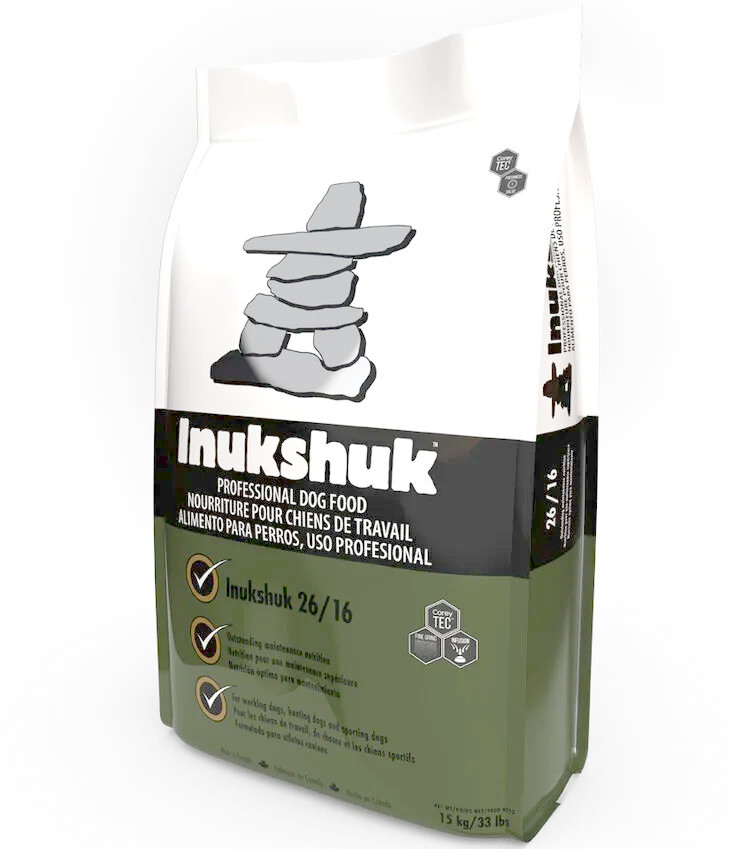
Growth and activity
For growing and active dogs with moderate energy requirements.
chicken meal, herring meal, ground whole-grain barley, ground whole-grain corn, ground whole-grain wheat, wheat middlings, brown rice, chicken fat, dried beet pulp, dried brewer’s yeast, herring oil, chicken liver, salt, lecithin, kelp meal, potassium chloride, DL-methionine, chicory root, mixed tocopherols (preservative), flaxseed, glucosamine hydrochloride, chondroitin sulfate, malted black barley, calcium propionate (preservative), limestone, iron proteinate, zinc proteinate, L-ascorbyl-2-polyphosphate (vitamin C), vitamin E supplement, taurine, manganese proteinate, Yucca schidigera extract, copper proteinate, L-lysine, selenium yeast, vitamin A supplement, niacin (B3), calcium pantothenate (B5), biotin (B7), riboflavin (B2), thiamine mononitrate (B1), vitamin B12 supplement, pyridoxine hydrochloride (B6), vitamin D3 supplement, cobalt sulfate, calcium iodate, folic acid (B9)
Protein, fat and fiber help describe the nutritional profile, but no single number determines the overall quality of a food.
Compare the complete formula, life stage and feeding guide. A more concentrated food may require a different daily portion.
Technical data should always be read together with the current manufacturer label and official feeding guidance.